


Inflation-Proof Living: How Minimalist Finance Shields You From Rising Costs
- jennifercorkum
- Oct 9
- 3 min read
Introduction
Inflation is like an invisible tax—it quietly erodes your purchasing power and makes everyday life more expensive. Groceries cost more. Rent rises. Even the coffee you grab on the way to work seems pricier every month. Most people respond by chasing higher income, but the harder they run, the faster inflation nips at their heels.
Minimalist finance offers a different path. Instead of trying to outpace inflation, minimalists sidestep it by needing less in the first place. A simpler lifestyle, built on intentional spending and leaner habits, creates a financial shield that rising costs can’t easily penetrate.
The Inflation Trap
Inflation is frustrating not only because prices rise but because most of us have built lifestyles dependent on high levels of consumption. Every streaming service, gadget upgrade, and oversized mortgage compounds our vulnerability.
Conventional advice says: earn more, hustle harder, diversify income. But this approach often leads to exhaustion and lifestyle inflation. As income grows, expenses grow to match, leaving little real protection.
Minimalists ask a more radical question: What if I simply needed less to begin with?
Core Principle: Lowering Your Cost-of-Living Baseline
Minimalist finance doesn’t mean deprivation. It means lowering the baseline cost of your life so inflation has less to attack. If you live in a way that requires less income to maintain, price hikes sting far less.
Think of it as financial jiu-jitsu: instead of meeting force with force, you step aside.
If your housing is modest, rising rent rates don’t destabilize you.
If your meals are simple, grocery price hikes hurt less.
If your wardrobe is timeless, fast fashion trends have no grip on you.
By intentionally reducing recurring obligations, minimalists create resilience.
Practical Minimalist Defenses Against Inflation
1. Subscription Audit
Digital subscriptions are a silent inflation amplifier. Individually, $10–$15 a month seems harmless. Together, they can add up to hundreds annually.
Minimalists rotate or cancel services, keeping only what actively adds value. Inflation in entertainment costs then becomes irrelevant.
2. DIY Mindset
From cooking meals to fixing minor household issues, doing it yourself cuts costs inflated by labor. A minimalist doesn’t outsource every task—they build self-reliance where it matters.
3. Thrift and Secondhand
Retail prices climb fastest during inflationary cycles. Buying used—furniture, clothing, electronics—circumvents inflated supply chains. Minimalists embrace the secondhand economy as both frugal and sustainable.
4. Mindful Upgrades
Replacing phones, cars, or furniture every year exposes you to inflation. Minimalists stretch the lifespan of possessions, repairing and reusing. Longevity is a built-in inflation defense.
Housing: Anchoring Against Inflation
Housing is the largest expense for most households—and the one most affected by inflation. Minimalists minimize exposure by:
Choosing smaller, energy-efficient homes
Sharing living space through roommates, multi-family homes, or co-housing
Relocating to lower-cost regions, freeing themselves from overpriced city markets
Smaller homes don’t just cost less upfront—they save on utilities, maintenance, and taxes. In the long run, these decisions anchor financial stability.
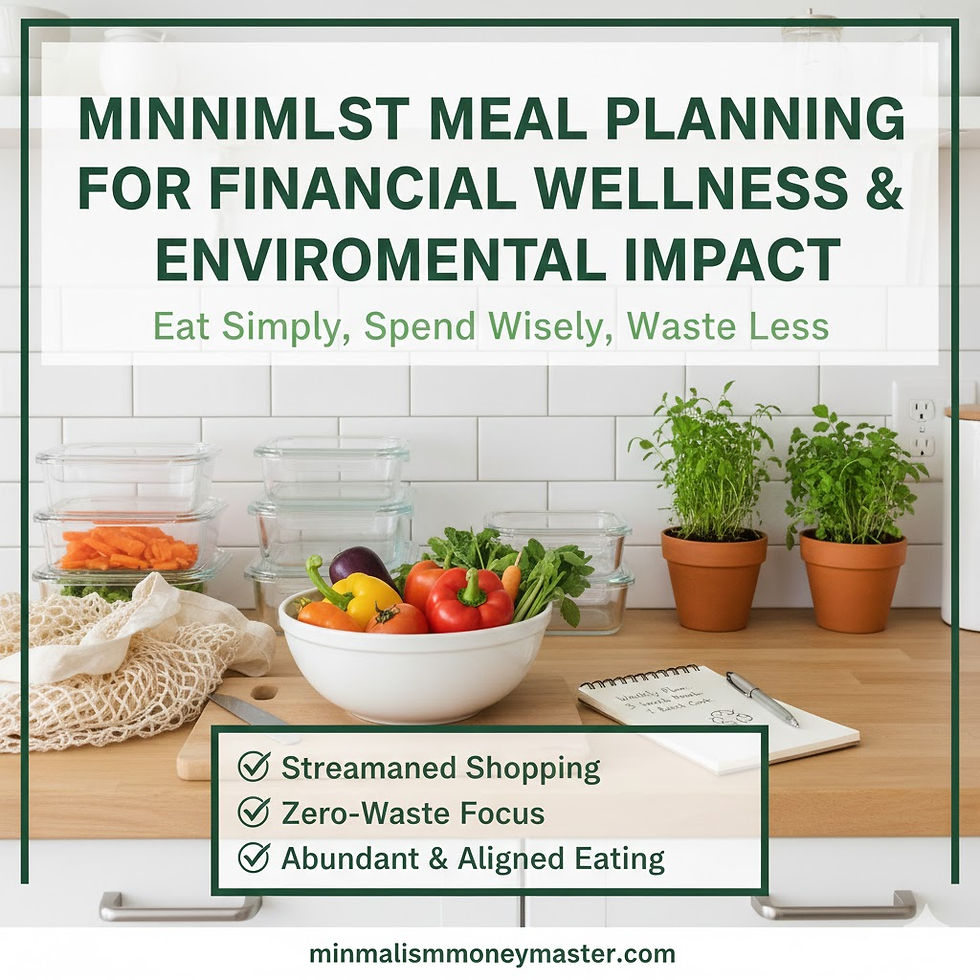
Food: Simplicity as Strategy
Grocery bills are one of the clearest signs of inflation. But food doesn’t have to be a battleground. Minimalists simplify:
Building meals around affordable staples (rice, beans, lentils, seasonal produce)
Cooking in batches to avoid waste
Viewing food as nourishment, not entertainment
When meals are simple and purposeful, price spikes don’t derail the budget.
Transportation: Escaping the Car Conundrum
Cars are deeply inflation-sensitive: gas, insurance, repair costs, and purchase prices all rise. Minimalists reduce dependency wherever possible:
Downsizing to one family vehicle
Relying on biking, walking, or public transport
Using car-sharing services instead of ownership
Every step away from car dependency is a shield against inflation’s volatility.
Financial Minimalism: Simplicity in Investing
Minimalism isn’t only about spending—it extends to financial strategy.
Low-cost index funds reduce exposure to high-fee products.
Automated savings prevent lifestyle inflation from absorbing raises.
Debt avoidance eliminates interest payments that inflation makes even heavier.
A simplified portfolio and debt-free lifestyle mean fewer moving parts when markets shift.
The Emotional Safety Net of Minimalism
Inflation causes more than financial stress—it breeds uncertainty. Will I be able to afford groceries next year? Will rent become unsustainable?
Minimalist finance provides an emotional safety net. Knowing your lifestyle is lean and intentional brings peace. You’re less dependent on every economic swing. Inflation becomes an inconvenience, not a crisis.
This isn’t just about numbers—it’s about reclaiming control.
Conclusion: Inflation-Proof Through Intention
You don’t have to fear inflation. By lowering your baseline expenses, simplifying your lifestyle, and rejecting consumerist pressures, you create a financial shield that rising prices can’t easily pierce.
Minimalist finance isn’t about doing without—it’s about doing differently. It’s about choosing stability over status, intention over impulse, and freedom over fear.
In an age where inflation pressures everyone, the minimalist quietly thrives—not because prices don’t rise, but because they’ve designed a life that inflation can’t control.



Comments