


Couponing Without Clutter: The Minimalist’s Guide to Saving Smart
- jennifercorkum
- Oct 5
- 4 min read
Couponing has a reputation for being messy, time-consuming, and—let’s be honest—a little overwhelming. Images of bursting binders, endless spreadsheets, and overflowing shopping carts dominate the stereotype. But what if you’re a minimalist who wants to save money without sacrificing simplicity?
Here’s the good news: couponing and minimalism aren’t opposites. You can use coupons intentionally, digitally, and efficiently—without cluttering your home or your mind. In fact, when done right, couponing can actually support a minimalist lifestyle by helping you spend less on necessities and more on what matters most.
Let’s break down how minimalists can coupon the smart, clutter-free way.
Couponing Through a Minimalist Lens
Minimalism is about aligning your spending and possessions with your values. That means buying less overall, but also spending wisely on the essentials you do choose. Couponing, when viewed through this lens, isn’t about chasing every deal. It’s about using the right coupons in the right places.
Think of it this way: traditional couponing is about “getting more for less,” while minimalist couponing is about “getting only what matters—for less.”
Digital-First Savings
One of the biggest reasons couponing gets a bad reputation is physical clutter. Paper coupons, printed flyers, and shoeboxes full of scraps simply don’t align with a minimalist lifestyle. Thankfully, the digital age has solved this problem.
1. Store Apps and Loyalty Programs
Most grocery chains now offer digital coupons that you can “clip” directly in their apps. With a few taps, discounts automatically apply at checkout—no scissors, no paper, no mess.
2. Browser Extensions
Tools like Honey, Capital One Shopping, or Rakuten work quietly in the background. They find and apply coupon codes while you shop online, turning the process into a seamless, clutter-free experience.
3. Email Subscriptions
Minimalists tend to avoid cluttered inboxes, but signing up for a few intentional email lists—like your favorite grocery store or travel site—can bring coupon codes straight to you. Just remember to unsubscribe if it starts feeling overwhelming.
The 80/20 Rule of Minimalist Couponing
Here’s a truth many extreme couponers won’t tell you: not all coupons are worth the effort. In fact, most of the savings you’ll see will come from a small portion of your coupons. This is where the 80/20 rule comes in handy.
Focus on the essentials. Groceries, household supplies, personal care items—these are repeat purchases where coupons really make a difference.
Ignore the rest. Coupons for gadgets, snack foods, or trendy products you’d never buy otherwise? Not worth it.
Minimalists know that every “deal” has an opportunity cost. By focusing only on the high-value coupons that matter, you save money and keep your life simple.
Minimalist Budget Strategy: Where Coupons Make Sense
Not every purchase deserves a coupon. Here’s how minimalists decide when to use them:
Yes: Essentials You Already Buy
Food staples, toothpaste, laundry detergent—these are no-brainers. Coupons simply reduce the cost of what you’d purchase anyway.
Yes: Experiences Over Things
Minimalists often prioritize experiences. Coupons for travel, dining, or entertainment can stretch your budget without adding clutter to your home.
No: Lifestyle Inflation Traps
That coupon for 25% off a fancy gadget you never considered before? It’s not a saving—it’s an unnecessary expense. Minimalists know that resisting “false deals” is where the real savings lie.
Avoiding Coupon Traps
Coupon culture thrives on urgency and abundance: “Buy two, get one free!” or “Limited time only!” But minimalists recognize these traps for what they are: strategies designed to make you spend more.
Here’s how to avoid falling in:
Stick to a list. Coupons should serve your shopping list, not rewrite it.
Ignore expiration panic. A deal that doesn’t align with your needs isn’t a deal at all.
Avoid stockpiling. Minimalists value space. Buying 20 bottles of body wash just because they were on sale doesn’t align with simplicity.
Real-Life Minimalist Coupon Hacks
Here are some practical, clutter-free ways to incorporate couponing into minimalist living:
Groceries: Use your grocery store’s app to pre-load coupons on staple items. Stick to your list, and let the savings add up.
Travel: Search for promo codes or sign up for cashback deals when booking flights or hotels. Minimalists often prefer experiences, and travel coupons can stretch your adventure budget.
Subscriptions: Many services (like meal kits, streaming platforms, or fitness apps) offer first-month coupons or referral discounts. A minimalist takes advantage of these without falling into subscription overload.
Household Goods: Buy essentials in reasonable bulk when coupons apply—but only in quantities that make sense for your home.
Couponing as a Tool, Not a Lifestyle
For extreme couponers, saving money becomes an identity. Entire weekends revolve around clipping, organizing, and hunting down deals. Minimalists, on the other hand, view couponing as just one tool among many.
Other minimalist financial tools might include:
Budgeting apps to track spending
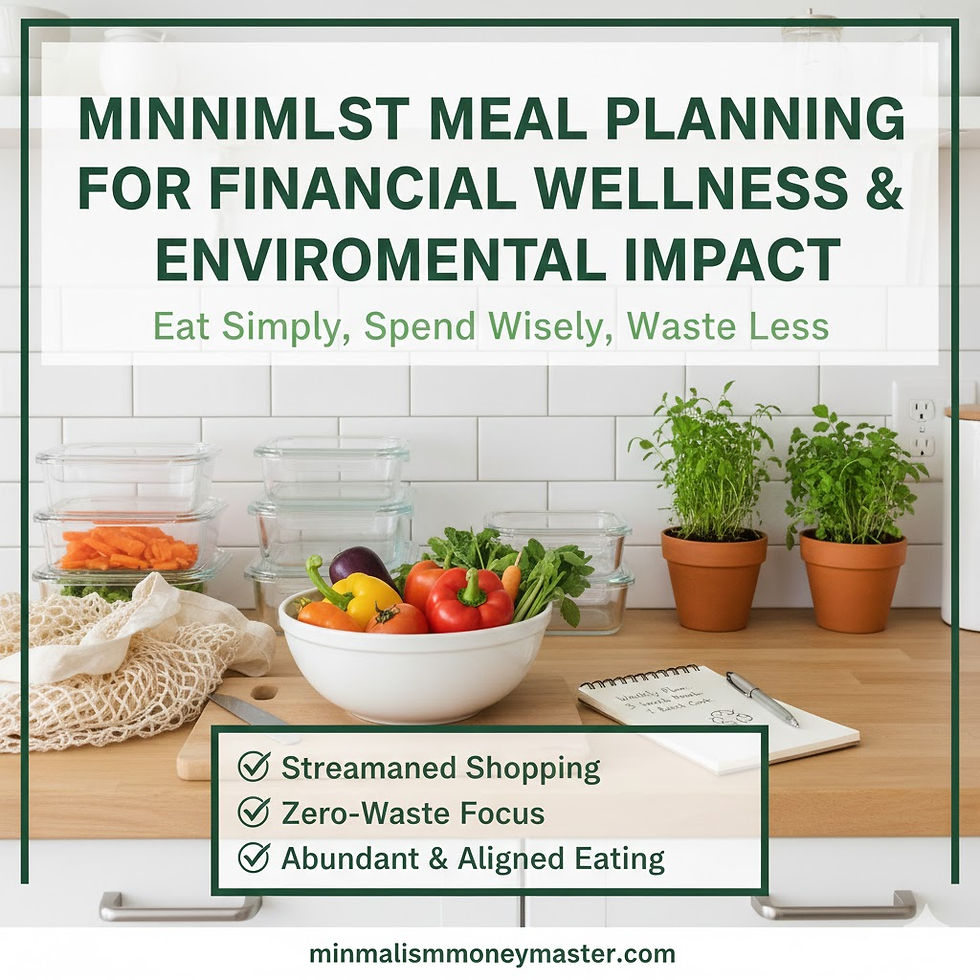
Meal planning to reduce waste
Automating savings and bill pay
Buying less, but buying better
Coupons can complement these strategies—but they’re not the centerpiece.
Conclusion: Smart, Simple, Intentional
Minimalists don’t reject coupons outright. They simply reject the clutter, stress, and consumerist traps that often come with them. Couponing, when done the minimalist way, is digital-first, focused, and intentional.
So the next time you wonder if couponing fits your minimalist lifestyle, remember this: it’s not about clipping every deal, but about using the right coupons for the right purchases. When aligned with your values, couponing helps you spend less on necessities and invest more in the freedom, peace, and purpose that minimalism is all about.



Comments