


Transform Your Style with a Minimalist Clothing Strategy
- jennifercorkum
- Dec 5, 2025
- 4 min read
Have you ever stood in front of your closet, feeling overwhelmed by choices yet somehow convinced you have nothing to wear? I’ve been there too. It’s a common struggle, especially when life feels cluttered in so many other ways. That’s why embracing a minimalist clothing strategy can be a game-changer. It’s not just about fashion; it’s about creating calm, clarity, and freedom in your daily routine.
When you simplify your wardrobe, you free up mental space and reduce decision fatigue. You also save money by investing in pieces that truly serve you. Let me walk you through how you can transform your style with this approach, step by step.
Why Choose a Minimalist Clothing Strategy?
A minimalist clothing strategy is about focusing on quality over quantity. It’s about curating a collection of clothes that fit well, feel comfortable, and reflect your personal style without excess. This approach helps you:
Save time: Less clutter means quicker outfit choices.
Save money: Fewer, better pieces reduce impulse buys.
Reduce stress: A tidy closet creates a peaceful start to your day.
Promote sustainability: Buying less means less waste.
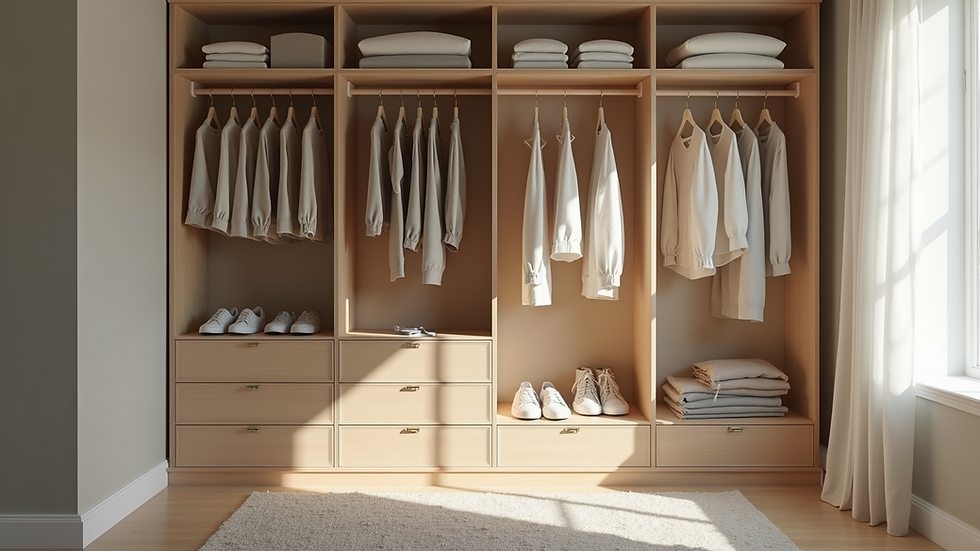
Imagine opening your closet and seeing only clothes you love and wear regularly. No more digging through piles or feeling guilty about forgotten items. This strategy encourages mindful shopping and thoughtful dressing.
How to Build Your Minimalist Clothing Strategy
Starting can feel daunting, but it’s easier than you think. Here’s a simple plan to get you going:
1. Assess What You Have
Begin by taking everything out of your closet. Yes, everything. Lay it all out and look at each piece. Ask yourself:
Do I love this?
Does it fit well?
Have I worn it in the last year?
Does it suit my current lifestyle?
Be honest but kind. If something doesn’t meet these criteria, consider donating or selling it.
2. Define Your Style and Needs
Think about your daily activities and the image you want to project. Are you mostly at work, home, or social events? What colors and styles make you feel confident? Write down a few key words that describe your ideal wardrobe, like “comfortable,” “classic,” or “versatile.”
3. Choose a Color Palette
Limiting your color palette makes mixing and matching easier. Pick 3-5 base colors and 1-2 accent colors. Neutral tones like black, white, gray, navy, and beige are great foundations. This way, every piece can work with others, maximizing outfit options.
4. Invest in Quality Basics
Focus on timeless pieces that never go out of style. Think:
A well-fitting white shirt
Dark jeans or tailored pants
A versatile blazer or cardigan
Comfortable shoes in neutral colors
These items form the backbone of your wardrobe and can be dressed up or down.
5. Add a Few Statement Pieces
Once you have your basics, add a couple of items that express your personality. Maybe a patterned scarf, a bold jacket, or a unique accessory. These pieces keep your style interesting without overwhelming your closet.
Practical Tips for Maintaining Your Minimalist Wardrobe
Keeping your wardrobe minimal is an ongoing process. Here are some tips to help you stay on track:
One in, one out: When you buy something new, let go of an old item.
Seasonal review: Every few months, reassess your clothes and remove what no longer fits or suits you.
Mindful shopping: Before purchasing, ask if the item fits your style, color palette, and needs.
Care for your clothes: Proper washing and storage extend the life of your garments.
By following these habits, you’ll avoid falling back into clutter and keep your wardrobe feeling fresh and functional.
How a Minimalist Wardrobe Supports Financial Freedom
Simplifying your closet isn’t just about style; it’s a powerful step toward financial freedom. When you buy less and choose quality, you spend less over time. You also reduce impulse purchases driven by trends or sales.
A minimalist wardrobe aligns perfectly with the goal of decluttering your money habits. It encourages intentional spending and helps you focus on what truly matters. Imagine the peace of mind that comes from knowing your money supports your values, not just fleeting desires.
Embracing Simplicity in Your Daily Life
Adopting a minimalist clothing strategy can ripple into other areas of your life. It teaches you to prioritize, make thoughtful choices, and appreciate what you have. This mindset can reduce stress and create space for what brings you joy.
Remember, this isn’t about perfection. It’s about progress and finding a system that works for you. Start small, be patient, and celebrate each step toward a simpler, more intentional wardrobe.
Your Next Steps Toward a Simpler Style
Ready to transform your style and simplify your life? Here’s a quick checklist to get started:
Clear out your closet and sort your clothes.
Define your style keywords and color palette.
Identify your essential basics and plan future purchases.
Commit to mindful shopping and regular wardrobe reviews.
Explore resources and communities that support minimalist living.
By taking these steps, you’ll create a wardrobe that feels like a true reflection of you - calm, confident, and free.
Embrace this journey with kindness toward yourself. Every small change brings you closer to a life where your style supports your goals and your peace of mind.


Comments