


The Surprising Connection Between Saving Money and Going Green
- jennifercorkum
- Sep 16, 2025
- 4 min read
In the past, my financial life was centered on the idea that more was better. More gadgets, more clothes, more convenience, and ultimately—more spending. Over time, though, I began to notice that my “extra” purchases didn’t actually add any real value. Instead, they quietly drained my wallet and cluttered my life.
It was only when I embraced minimalism and shifted my perspective on money that something surprising happened: I began saving consistently, and I also found myself caring much more about the environment. The two, it turns out, go hand in hand.
Less Spending, More Conscious Living
Minimalist finance is about aligning spending with values. I stopped buying items just because they were on sale or “nice to have.” Instead, I started asking: Do I need this? Will it improve my life long-term?
That simple pause in decision-making cut out a lot of wasteful purchases. And when you buy less, you automatically reduce packaging waste, shipping emissions, and the demand for overproduction. Saving money wasn’t just about building a healthier bank account—it was also about reducing my environmental footprint.
The Financial and Environmental Benefits of Reuse
One of the biggest shifts I made was choosing reuse over constant replacement. I invested in:
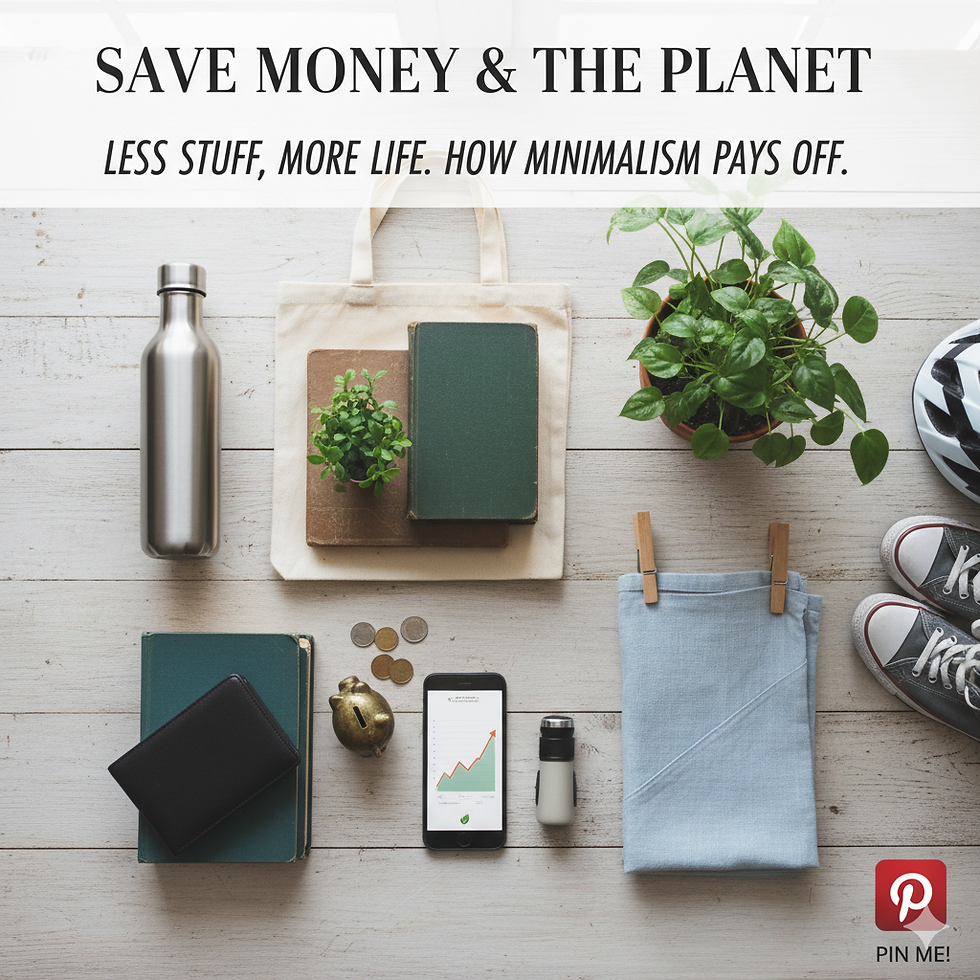
A reusable water bottle instead of buying plastic bottles.
Cloth grocery bags instead of single-use plastic.
A quality coffee thermos instead of daily disposable cups.
Each swap was small, but the financial savings stacked up quickly. I didn’t have to constantly re-buy single-use items, and at the same time, I reduced the amount of waste I sent to landfills.
Minimalist finance naturally encourages this behavior. When you buy durable, reusable goods, you spend once instead of endlessly replacing cheap items. Your wallet breathes easier, and so does the planet.
Energy Efficiency Equals Budget Efficiency
I also looked at recurring expenses, especially utilities. Energy bills are one of those quiet costs that eat away at monthly budgets. By making simple changes—turning off lights, unplugging electronics, air-drying clothes, and adjusting my thermostat—I cut my bill significantly.
Environmentally, the benefits are obvious: less energy use equals fewer carbon emissions. But for me, the immediate motivation was financial. Saving $30–$50 each month on electricity might not sound life-changing, but over a year, it adds up to hundreds of dollars. And over a decade, that money could become a serious investment.
This is where finance and environmental care intersect beautifully. Energy saved is both money and carbon saved.
Minimalist Transportation Choices
Transportation was another area where minimalism shaped my financial and environmental habits. I realized that owning a car I didn’t really need came with endless costs—gas, insurance, maintenance, and parking. I decided to rely more on walking, biking, and public transit.
The result? My monthly expenses dropped, and my daily routine became healthier and more intentional. By driving less, I also contributed to reducing air pollution and greenhouse gas emissions. It turns out that saving money on car expenses directly supports a greener lifestyle.
The Power of Buying Less
At its core, minimalist finance means buying less. That single shift has the most profound effect on both money and the planet. The less we buy, the less we waste. The less we consume, the less demand there is for factories to produce cheap, disposable goods.
When I stopped chasing every new gadget or fashion trend, I noticed something unexpected: I valued the things I did own more. Instead of rushing to replace items, I cared for them, repaired them, and used them fully.
Financially, this habit kept money in my pocket. Environmentally, it cut down on the waste and pollution tied to mass production.
Aligning Priorities: Wealth and Sustainability
Minimalist finance isn’t about living with nothing. It’s about living with enough—and making sure that “enough” serves both your financial goals and the greater good.
I’ve come to realize that wealth isn’t just about numbers in a bank account. True wealth is financial freedom combined with a lifestyle that respects the world around me. By spending less and focusing on what matters, I’ve been able to:
Save more money each month.
Build an emergency fund.
Invest in experiences instead of excess.
Lower my environmental impact.
The beauty of this shift is that it doesn’t feel like sacrifice. It feels like alignment. I’m saving money, but I’m also helping ensure a healthier planet for the future.
A Minimalist Future
When I first began my minimalist finance journey, I thought it was only about money. I was trying to spend less, budget better, and reach financial independence faster. What I didn’t expect was the environmental transformation that came with it.
Now, I see every financial decision as connected to the environment. From the clothes I choose to the transportation I use, there’s always a ripple effect. Saving money and caring for the environment are no longer separate goals—they’ve become two sides of the same coin.
And the truth is, this approach is available to anyone. You don’t have to live off-grid or make radical changes overnight. Start small: buy less, reuse more, save energy, walk instead of drive. Each step adds up, and before you know it, you’re not just saving money—you’re building a lifestyle that matters.


Comments