


The Minimalist’s Guide to Grocery Store Savings
- jennifercorkum
- Sep 20, 2025
- 4 min read
When most people think about saving money, they imagine cutting big expenses—canceling subscriptions, negotiating bills, or buying less “stuff.” But one of the biggest opportunities to free up cash is hiding in plain sight: your weekly grocery run.
For many households, groceries are the second or third largest monthly expense after housing and transportation. And unlike rent or car payments, you actually have control over this category. The minimalist approach to grocery shopping isn’t just about spending less—it’s about spending with intention. That means buying only what you need, avoiding excess, and eliminating food waste. The result? A slimmer bill and a lifestyle that feels lighter, not deprived.
In this guide, I’ll share practical, minimalist strategies for saving money at the grocery store—without coupons, apps you’ll forget to open, or complicated systems you won’t stick to.
Step 1: Start With a Minimalist Meal Plan
The foundation of grocery savings isn’t at the store—it’s at home. A minimalist meal plan is simple, repeatable, and realistic. Here’s how to do it:
Build a core rotation of meals. Choose 5–7 dinners your family loves and repeat them. This reduces decision fatigue and prevents random, expensive purchases.
Use overlapping ingredients. If three meals call for rice, you’ll finish the bag before it goes stale. If every meal requires a completely different set of ingredients, you’ll overspend and waste.
Shop your pantry first. Before making a list, check what you already have. Many “emergency” grocery runs come from forgetting you already had pasta in the back of the cupboard.
Minimalism thrives on repetition and simplicity. By eating in patterns, you save both money and time.
Step 2: Shop With Intention (and a List)
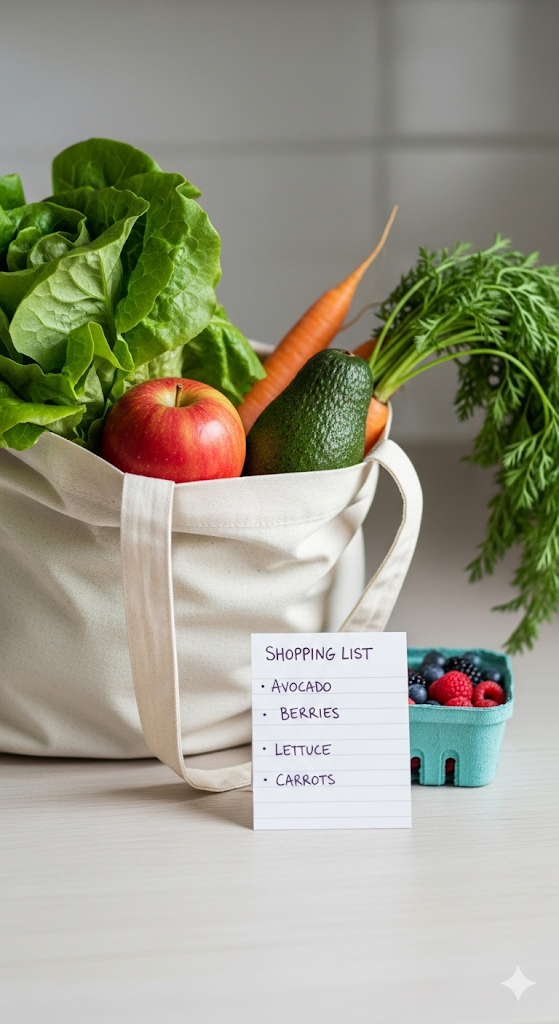
Impulse is the enemy of savings. Stores know this, which is why they design layouts to push you toward unplanned purchases. A minimalist grocery list is your armor.
How to build a smart list:
Write down only what you need for the week’s meals and essentials.
Organize by category (produce, dairy, grains) so you move through the store faster and avoid wandering.
Stick to it. If it’s not on the list, it doesn’t go in the cart—unless it’s an intentional swap for something you need.
This doesn’t mean you can never try new things. But a minimalist approach puts structure first, treats “extras” as exceptions, and keeps you from turning “just a few things” into a $200 cart.
Step 3: Choose Generic Without Guilt
One of the easiest ways to save—without changing your habits—is switching to store brands. In blind taste tests, generic items like pasta, rice, beans, frozen vegetables, and even dairy often score the same as name brands.
Minimalist finance asks: Why pay more for the same thing?
Here are categories where generic almost always wins:
Grains and pasta
Canned goods
Baking supplies
Frozen fruit and vegetables
Dairy basics like milk, sour cream, and shredded cheese
The money saved here adds up fast—without any lifestyle downgrade.
Step 4: Buy in Bulk, But Not Excessively
Bulk shopping can be powerful… if you’re mindful. Minimalists know that buying 10 pounds of oatmeal at once only makes sense if you’ll actually use it. Otherwise, it’s just clutter in a bigger package.
Smart bulk guidelines:
Stick to shelf-stable items you eat often (rice, oats, flour, beans).
Avoid bulk snacks and treats—they encourage overconsumption.
Freeze what you can’t eat immediately (bread, meat, berries).
Bulk saves the most when it prevents repeated trips (where impulse buys sneak in). But never confuse “saving per unit” with saving money. The goal isn’t a giant pantry—it’s a lean budget.
Step 5: Shop Seasonal and Local (When It Makes Sense)
Produce prices swing wildly depending on season. Strawberries in January cost triple what they do in June. Minimalist shoppers embrace the rhythm of the year and adapt meals to what’s abundant.
Buy apples in fall, citrus in winter, berries in summer.
Check weekly store flyers for produce deals and base meals around them.
Local farmer’s markets sometimes undercut grocery prices—especially near closing time.
By aligning meals with the seasons, you not only save money but also enjoy fresher, better-tasting food.
Step 6: Reduce Food Waste = Reduce Grocery Costs
Every dollar wasted on food waste is a dollar you didn’t need to spend. In fact, the average American family wastes 25–30% of the food they buy. That’s like throwing $100 in the trash for every $400 grocery bill.
Here’s the minimalist way to cut food waste:
FIFO method (First In, First Out): Rotate items so older food gets eaten first.
Use your freezer. Don’t let leftovers or excess produce spoil—freeze them for later.
Plan “catch-all” meals. Stir-fries, soups, and omelets are perfect for using odds and ends.
Be realistic. If your family never eats kale, stop buying kale.
Minimalism means honesty: stop buying the fantasy version of your diet and buy for the life you actually live.
Step 7: Avoid the Store Traps
Every grocery store is designed to make you spend more. A minimalist sees through the tricks.
End caps push “deals” that aren’t always the best value. Compare unit prices.
Eye-level shelves feature premium brands. Look up or down for cheaper options.
Samples and promotions are designed to spark unplanned purchases. Pause and ask: Would I have bought this if I didn’t taste it?
Mindful awareness is your strongest money-saving tool.
The Minimalist Mindset at Checkout
At the register, take a moment before swiping. Ask:
Did I buy only what I need?
Did I avoid buying a “better version” of something I already own?
Did I reduce clutter and waste?
Each small yes adds up. Minimalist grocery shopping isn’t about deprivation. It’s about choosing enough—and letting go of the rest.
Final Thoughts
Groceries don’t have to be a financial drain. By applying minimalist principles—planning, simplifying, avoiding waste—you can trim your bill by hundreds each month without sacrificing nutrition or taste.
The key is to see grocery shopping not as a hunt for more, but as a discipline of enough. When you shop with intention, you’ll not only save money—you’ll also save time, reduce stress, and create more space in your life.


Comments