


The Hidden "Rent" of Owning Things
- jennifercorkum
- Sep 14, 2025
- 3 min read
When it comes to personal finance, one of the most powerful mindset shifts you can make is simple: think of buying as renting.
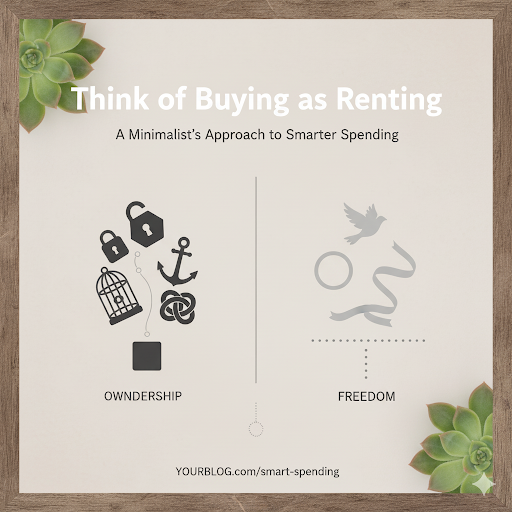
We’re conditioned to believe that buying something means we own it. But ownership comes with hidden costs—financial, emotional, and even mental. By reframing purchases as a form of “rent,” you gain clarity on the true value of what you’re paying for and avoid locking yourself into commitments that drain your time, money, and energy.
This minimalist perspective doesn’t mean avoiding purchases altogether. It means aligning spending with actual value—and recognizing that most things we “own” are, in reality, temporary.
The Illusion of Ownership
When you buy a house, a car, or even the latest smartphone, it feels like you own it. But in practice, ownership is a form of long-term renting:
Houses come with property taxes, maintenance, insurance, and unpredictable repairs.
Cars depreciate the second you drive them off the lot while costing you gas, upkeep, and registration fees.
Electronics become outdated faster than ever, forcing you to “upgrade” long before you planned.
You might have the deed, the keys, or the receipt, but you’re still paying rent—just indirectly. The “rent” here comes in the form of recurring costs, time spent maintaining the item, and lost flexibility.
A Minimalist Finance Lens
Minimalism teaches us to prioritize freedom over accumulation. When you shift to thinking of buying as renting, you naturally start asking sharper, more intentional questions before spending:
“How long will I actually use this?”
“What’s the monthly or annual cost of ownership?”
“Would renting or borrowing achieve the same result?”
This mindset helps filter out impulsive buys and draws focus toward purchases that truly serve your life—not the other way around.
Real-World Examples
1. Housing
Instead of assuming “buying is always better than renting,” consider the effective rent of owning: mortgage interest, property taxes, repairs, and insurance. In many cases, renting may cost less while keeping your mobility and flexibility intact.
Minimalist tip: Calculate your “all-in monthly cost” for ownership versus renting before making a decision.
2. Cars
Buying a new car feels like a milestone, but cars are some of the worst financial assets you can “own.” Most lose 40–60% of their value within five years. When you consider insurance, registration, and maintenance, your monthly “rent” is far higher than the sticker price suggests.
Minimalist tip: If you drive infrequently, consider car-sharing services, rentals, or used vehicles instead.
3. Tech & Gadgets
Every year, companies market newer, faster, sleeker versions of the devices we already own. But if your phone works perfectly, your monthly “rent” for upgrading isn’t worth it.
Minimalist tip: Delay tech upgrades until the functional benefit outweighs the sunk cost.
The Freedom of Flexibility
When you embrace the idea that buying is renting, you stop clinging to possessions and start valuing flexibility over ownership.
You’re less tied down by things you “have to maintain.”
You make choices based on utility and experience, not status or habit.
You stay financially nimble, ready to redirect resources where they matter most.
This shift naturally leads to lower stress, fewer regrets, and greater alignment between your money and your values.
Final Thoughts
Minimalist finance isn’t about deprivation—it’s about clarity and control. When you think of buying as renting, you start to see purchases as temporary exchanges rather than permanent wins.
This subtle shift transforms your relationship with money:
You buy less, but better.
You reduce financial stress.
You gain freedom to prioritize what truly matters.
Next time you’re about to “buy,” ask yourself: “What’s the rent I’m really paying for this?”That single question can save you thousands—and buy back something far more valuable: your peace of mind.


Comments