


The Budgeting Envelope Method: A Minimalist’s Guide to Money Freedom
- jennifercorkum
- Sep 2, 2025
- 4 min read
Introduction: Minimalism Meets Money Management
Minimalism isn’t just about decluttering your closet or living with fewer possessions — it’s about designing a life that reflects your values. And when it comes to personal finance, minimalism can be incredibly empowering.
One of the most effective tools I’ve found for aligning my spending with my values is the budgeting envelope method — also known as the cash envelope system. This method strips away complexity, eliminates decision fatigue, and helps you stay intentional with your money.
If you’ve ever struggled with overspending, inconsistent saving habits, or financial stress, this method could be the breakthrough you’ve been looking for. In this guide, I’ll share how it works, why it resonates with minimalist principles, and how to adapt it for a modern, digital lifestyle.
What Is the Budgeting Envelope Method?
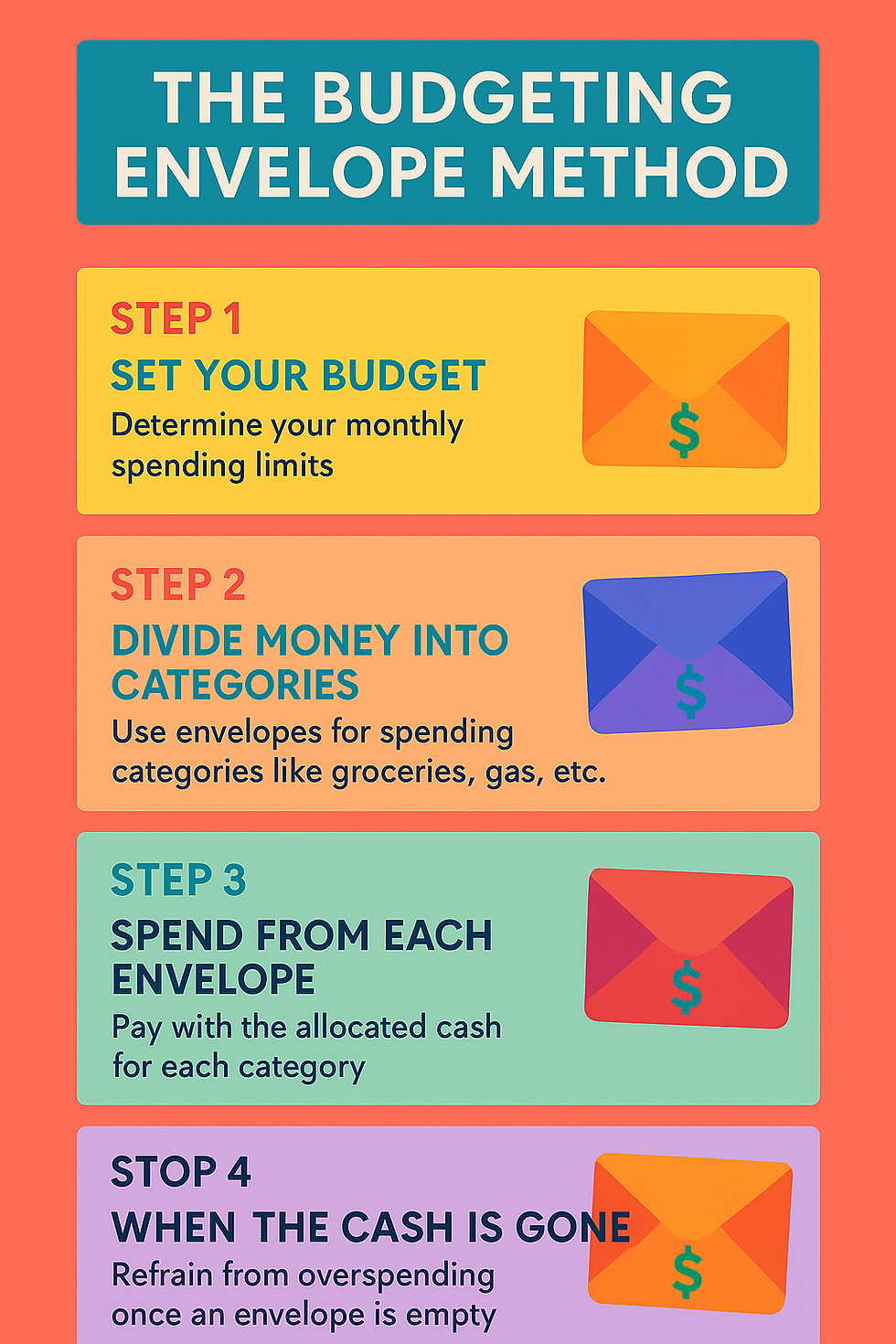
At its core, the budgeting envelope method is simple:
Set your monthly budget and decide how much money goes into each spending category.
Allocate cash into physical envelopes labeled with those categories — groceries, dining out, entertainment, gas, etc.
Spend only what’s in the envelope. When the cash runs out, you’re done spending in that category until the next budgeting period.
It’s a tactile, visual system that forces mindfulness. Unlike credit cards or apps that make money feel abstract, you physically see your money leaving your hands, making you more deliberate with every dollar.
Why Minimalists Love the Envelope Method
Minimalism is about clarity, intentionality, and focusing on what matters most. The envelope system supports these principles beautifully:
1. Simplicity Over Complexity
Budgeting apps, automated transfers, and digital trackers have their place, but they can easily become overwhelming. The envelope method is refreshingly analog and straightforward — no complex spreadsheets or multiple accounts to manage.
2. Built-In Mindfulness
By handling cash, you naturally slow down your spending. Every purchase requires a conscious decision, which makes you ask better questions:
“Do I really need this?”
“Does this align with my values?”
This mindfulness fosters financial clarity — a key pillar of minimalist living.
3. Limits That Liberate
Paradoxically, having limits actually gives you freedom. When you know exactly how much you can spend, there’s no guilt, no confusion, and no endless swiping of cards. You gain control instead of feeling controlled by your money.
Setting Up the Envelope System: Step-by-Step
Here’s how to integrate the envelope method into your minimalist financial life:
Step 1: Define Your Priorities
Before you assign dollar amounts, ask yourself:
What truly matters to me?
Which expenses align with my values?
Where am I currently overspending?
Minimalism starts with intentional choices. Maybe you value experiences over stuff, so you allocate more for travel and less for shopping.
Step 2: Categorize Your Spending
Keep it simple. Focus on 5–7 main categories rather than tracking every micro-expense. Examples:
Essentials: Rent, utilities, groceries
Lifestyle: Dining out, entertainment, shopping
Savings & Goals: Emergency fund, debt payoff, investments
By avoiding over-categorization, you reduce mental clutter and stick to the method more consistently.
Step 3: Withdraw & Fill Envelopes
After setting your monthly or bi-weekly budget:
Withdraw cash for each category.
Label envelopes clearly.
Place the designated amount into each one.
This physical act creates a powerful psychological connection between your goals and your spending.
Step 4: Spend Intentionally
When you make a purchase, take the cash from the correct envelope.
If there’s no cash left, you pause spending.
If you underspend, roll the remainder into savings or next month’s envelope.
This encourages disciplined habits and helps you identify patterns in your financial behavior.
Adapting the Envelope Method to a Digital Lifestyle
We live in an increasingly cashless world. Does the budgeting envelope method still work? Absolutely — with a minimalist twist.
Here are three ways to modernize it:
1. Digital Envelope Apps
Apps like YNAB, Goodbudget, and Mvelopes allow you to create virtual envelopes. You can still allocate budgets without handling physical cash, which is great for online purchases.
2. Bank-Based Automation
Open multiple sub-accounts or “buckets” within your bank account. Allocate funds directly to each digital envelope — groceries, entertainment, travel, etc.
3. Hybrid System
For categories where overspending is most tempting (like dining out or shopping), stick to physical cash envelopes. Use digital tracking for fixed expenses like rent or utilities.
This hybrid approach blends minimalist intentionality with modern convenience.
Common Pitfalls (and How to Avoid Them)
While the budgeting envelope method is simple, a few challenges can arise:
1. Overcomplicating Categories
Minimalists thrive on simplicity. Avoid creating 20+ envelopes — you’ll burn out quickly. Stick to your top priorities.
2. Forgetting Flexibility
Life happens — emergencies, unexpected expenses, last-minute plans. Set aside a buffer envelope to handle surprises without guilt.
3. Skipping Regular Check-Ins
Budgeting isn’t “set it and forget it.” Review your envelopes weekly or monthly to adjust allocations as your priorities evolve.
Minimalist Benefits Beyond Money
The budgeting envelope method doesn’t just transform your finances — it reshapes your mindset:
Less stress: No more anxiety about credit card bills.
More intentional living: You align your spending with your values.
Faster progress: You’ll save more, pay off debt quicker, and reach goals sooner.
This approach fosters financial mindfulness, which spills over into other areas of life — relationships, work, and personal growth.
Final Thoughts: Designing a Life You Love
Minimalism and the budgeting envelope method go hand in hand because they share the same foundation: intentionality.
By giving every dollar a purpose, you stop letting money control you and start designing a life aligned with your values. Whether you stick with physical cash or embrace a digital hybrid, the principles remain timeless:
Spend consciously.
Save purposefully.
Live meaningfully.
Money isn’t the goal — freedom is. And the budgeting envelope method is one of the simplest, most powerful tools to help you get there.


Comments